HVAC in Colorado Springs, CO
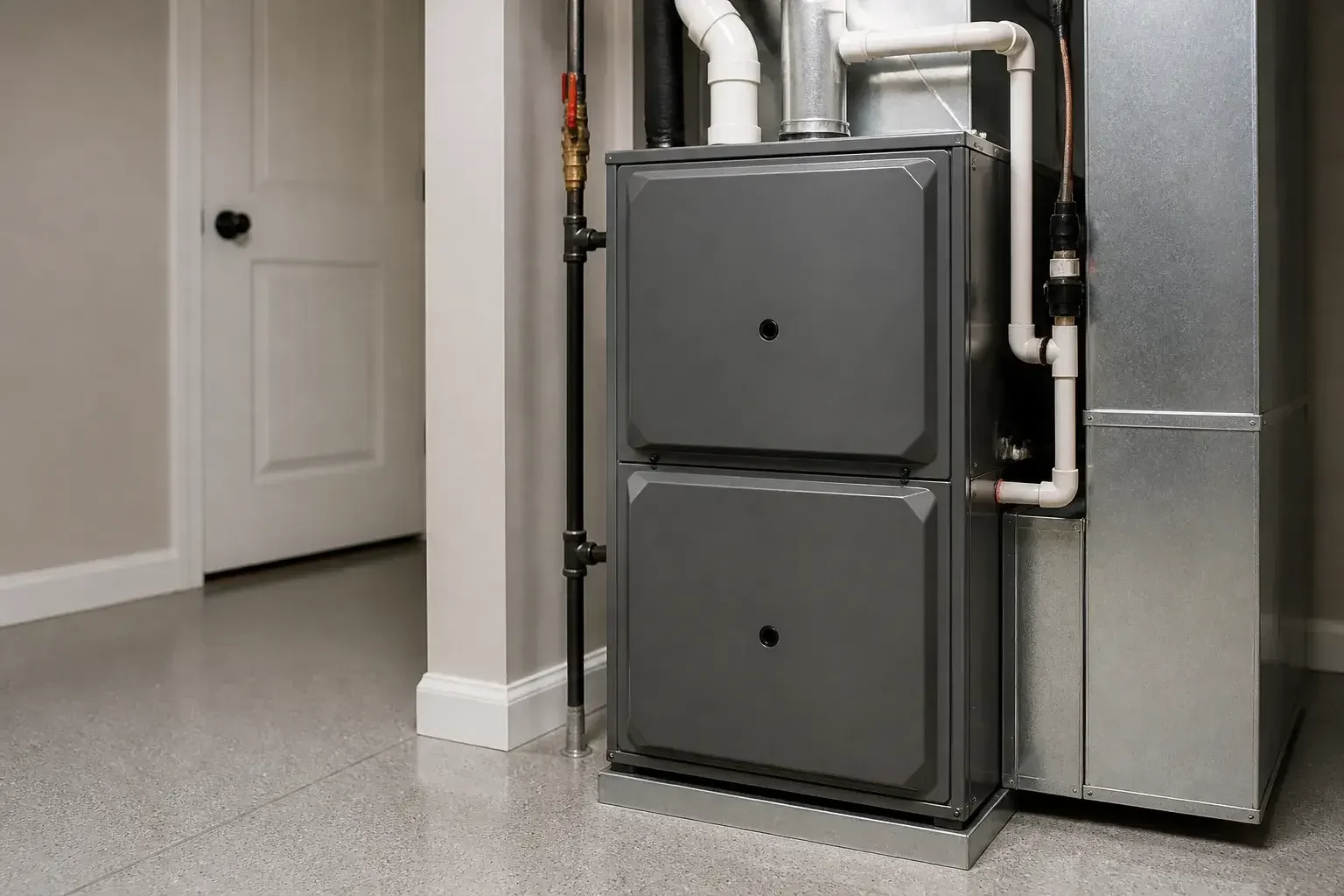
Furnace Repair in Colorado Springs, CO
A failing furnace can leave your home cold, noisy, or unevenly heated.
If your home feels colder than it should and the furnace is not keeping up, the problem usually shows up in small but frustrating ways first. You may notice uneven rooms, air that feels lukewarm, short bursts of heat, or a thermostat setting that never seems to match what you feel at the vents. When those issues keep building, a repair visit can help you get ahead of a bigger breakdown.
Aspen Grove Heating & Air handles furnace repair for homeowners in Colorado Springs, and we focus on getting the issue diagnosed clearly before any work begins. That means straightforward communication, upfront quotes, and repair recommendations that match the problem, not guesswork. If your furnace is acting differently than usual, we can help you figure out what changed and what needs to happen next.
Warning signs
A furnace usually gives clues before it stops working completely. Catching those clues early can keep a small part failure from turning into a larger system issue.
- Weak airflow: If air from the vents feels thinner than usual, the furnace may be struggling with a blower issue, blockage, or another internal fault.
- Short cycling: If the furnace turns on and off too often, it may be overheating, misreading temperature, or failing to move air properly.
- Uneven heating: If one area of the home is warm while another stays cold, the furnace may not be distributing heat as it should.
- New noises: Banging, rattling, squealing, or grinding usually means a part is loose, worn, or under stress.
- Burning or dusty odor: Some smells are normal at first startup, but strong or lingering odors should be checked.
- Cold air from vents: If the system is running but the air is not warming up, the issue could be with ignition, airflow, or a safety shutdown.
Common causes
A furnace can fail for a lot of reasons, and the symptoms often overlap. A careful diagnosis matters because the same complaint can come from very different parts of the system.
- Ignition trouble: If the furnace cannot light properly, it will not produce steady heat and may shut itself down.
- Blower problems: A weak or failing blower can keep warm air from reaching the rooms that need it.
- Dirty components: Dust and buildup can interfere with airflow, sensors, and moving parts.
- Thermostat issues: Sometimes the furnace is working, but the control signal is not telling it to run correctly.
- Safety switches: If a safety feature detects a problem, the furnace may stop heating until the underlying issue is fixed.
- Worn parts: Motors, belts, switches, and sensors all wear down over time and can cause inconsistent operation.
Aspen Grove Heating & Air looks at the full picture, not just the loudest symptom. That helps us find the source of the problem and explain whether repair is the right move.
How we diagnose it
Furnace repair should start with a clear inspection of what the system is doing and why. Homeowners do not need a long list of technical guesses. They need answers that make sense.
1. Listen to the symptoms
We start with what you noticed at home, including noises, airflow changes, temperature swings, or repeated shutoffs. Those details often point us in the right direction quickly.
2. Check the furnace operation
We review how the furnace is starting, running, and stopping. That includes looking at whether it is responding correctly to the thermostat and moving heat through the home as it should.
3. Trace the fault
Instead of replacing parts one by one, we isolate the source of the issue. That helps avoid unnecessary work and keeps the repair focused on the actual problem.
4. Explain the options
Once we know what is wrong, we walk you through the repair path and the upfront quote before work moves forward.
This approach helps homeowners make a calm decision, even when the furnace has been frustrating to live with.
Repairs we handle
Furnace problems can show up in the ignition, airflow, controls, or moving components. The goal is not just to get heat back once, but to restore reliable operation.
- Ignition repairs: We address issues that keep the furnace from lighting or staying lit.
- Blower-related fixes: We repair problems that limit airflow or keep warm air from reaching the rooms in your home.
- Thermostat communication issues: We look at whether the furnace is receiving the right signals and responding properly.
- Sensor and switch problems: We correct faults that can cause shutdowns or inconsistent heating.
- Noisy operation: We investigate rattles, squeals, and other sounds that point to loose or worn parts.
- Airflow restrictions: We look for blockages or conditions that make the furnace work harder than it should.
If a repair makes sense, we move forward with it. If the furnace is showing broader wear that changes the recommendation, we will tell you plainly so you can decide what comes next.
What to expect
A furnace repair visit should feel organized, not confusing. We aim to keep the process straightforward from the first call to the final check.
- Clear arrival window: You know what to expect before the visit starts.
- Problem review: We ask what changed, when it started, and how the furnace has been acting.
- System diagnosis: We inspect the furnace to pinpoint the cause instead of guessing.
- Upfront quote: Before any repair work begins, you get a clear quote for the job.
- Repair and testing: After the fix, we run the furnace to confirm that it is heating and operating correctly.
Homeowners often call us when they want the issue handled without a long back-and-forth. That is where Aspen Grove Heating & Air keeps the process simple and direct.
When to schedule
Some furnace problems feel minor at first, but they tend to worsen when the system keeps running under strain. Scheduling a repair sooner can help prevent extra wear and extra discomfort.
- The furnace keeps restarting: Frequent cycling can signal a fault that should not be ignored.
- The home never feels fully warm: If the furnace runs but cannot keep up, something is not working the way it should.
- You hear new noises often: Repeated noises usually mean the issue is ongoing, not random.
- The thermostat and furnace disagree: If the system does not respond reliably, the problem may be in the control path.
- Air feels weak at the vents: This can point to a circulation issue that affects the whole home.
If you are in Colorado Springs and your furnace has started acting differently, it is usually worth scheduling a visit before the problem becomes harder to ignore.
Local help
Aspen Grove Heating & Air serves homeowners across Colorado Springs, Monument, Fountain, and Manitou Springs with furnace repair, AC installation, heat pumps, and maintenance plans. For furnace work, our focus is on giving you a clear diagnosis, a practical repair plan, and upfront communication so you can make the next decision with confidence.
Whether the furnace is making noise, losing heat, or shutting off at the wrong time, we can help narrow it down and get the system back on track. If you need furnace repair in Colorado Springs, we are ready to take a look.
Common questions
Why is my furnace blowing cold air?
A furnace can blow cool air if the burners are not lighting, the blower is running without heat, or the system is shutting down for a safety reason. The symptom points to several possible causes, so the full system needs to be checked.
What does short cycling mean?
Short cycling means the furnace starts and stops repeatedly instead of completing a normal heating run. It often points to airflow trouble, overheating, control issues, or a failing component.
Should I turn the furnace off if it smells unusual?
If the odor is strong, persistent, or different from the normal dust smell that can happen at startup, it is smart to stop using the system until it is checked. Unusual smells can signal a problem inside the furnace.
Why are some rooms warmer than others?
Uneven heating can happen when the furnace is not moving air correctly, when the blower is weak, or when the system is struggling to distribute heat evenly through the home.
Can a thermostat problem look like a furnace problem?
Yes. If the thermostat is sending the wrong signal or not communicating correctly, the furnace may seem unreliable even when the issue starts with the controls.
What if the furnace makes banging or squealing noises?
New noises usually mean a part is loose, worn, or under strain. Those sounds should be checked soon so the underlying issue does not get worse.
How We Work
A Simple HVAC Process
Every job starts with a clear look at the system and a practical plan for what comes next.
- 01
Check The System
We look over your equipment, listen to the issue, and identify the likely cause.
- 02
Review Your Options
You get an upfront quote and a straightforward explanation of the best next step.
- 03
Complete The Work
We handle the repair or installation and leave the job finished cleanly.
FAQ
Common HVAC Questions
If you have a question about your home comfort system, send it our way and we will help.
How do I know if my furnace needs repair?
Common signs include weak heat, unusual noises, short cycling, or rooms that never warm up properly. A service visit can help pinpoint the issue.
How long does an AC installation take?
Timing depends on the equipment and the home, but we can often schedule same-week installs when available.
Are heat pumps a good fit for Colorado Springs homes?
Heat pumps can be a smart option for many homes that want efficient heating and cooling in one system. We can help you decide if it fits your space and comfort goals.
What is included in a maintenance plan?
Maintenance plans are designed to keep your system checked, cleaned, and ready for the season ahead. They can also help catch small issues before they grow.
Do you offer upfront quotes?
Yes, we provide clear quotes so you know what the work involves before you move forward.
Schedule Your HVAC Service
Tell us what your home needs, and we will help with repair, installation, heat pumps, or maintenance.